


Most business websites lose visitors in seconds. A landing page fixes that.
What is a landing page?
A landing page is a standalone web page designed for a specific marketing or advertising goal, typically focused on converting visitors into leads or customers.
Visitors "land" here after clicking on a link in an email, a paid social ad, or a sponsored search ad.
Unlike web pages, which often have several aims and promote research, landing pages have a single emphasis or goal, known as a call to action (or CTA).
This focus makes landing pages the greatest alternative for raising marketing campaign conversion rates and minimizing lead or sale acquisition costs.
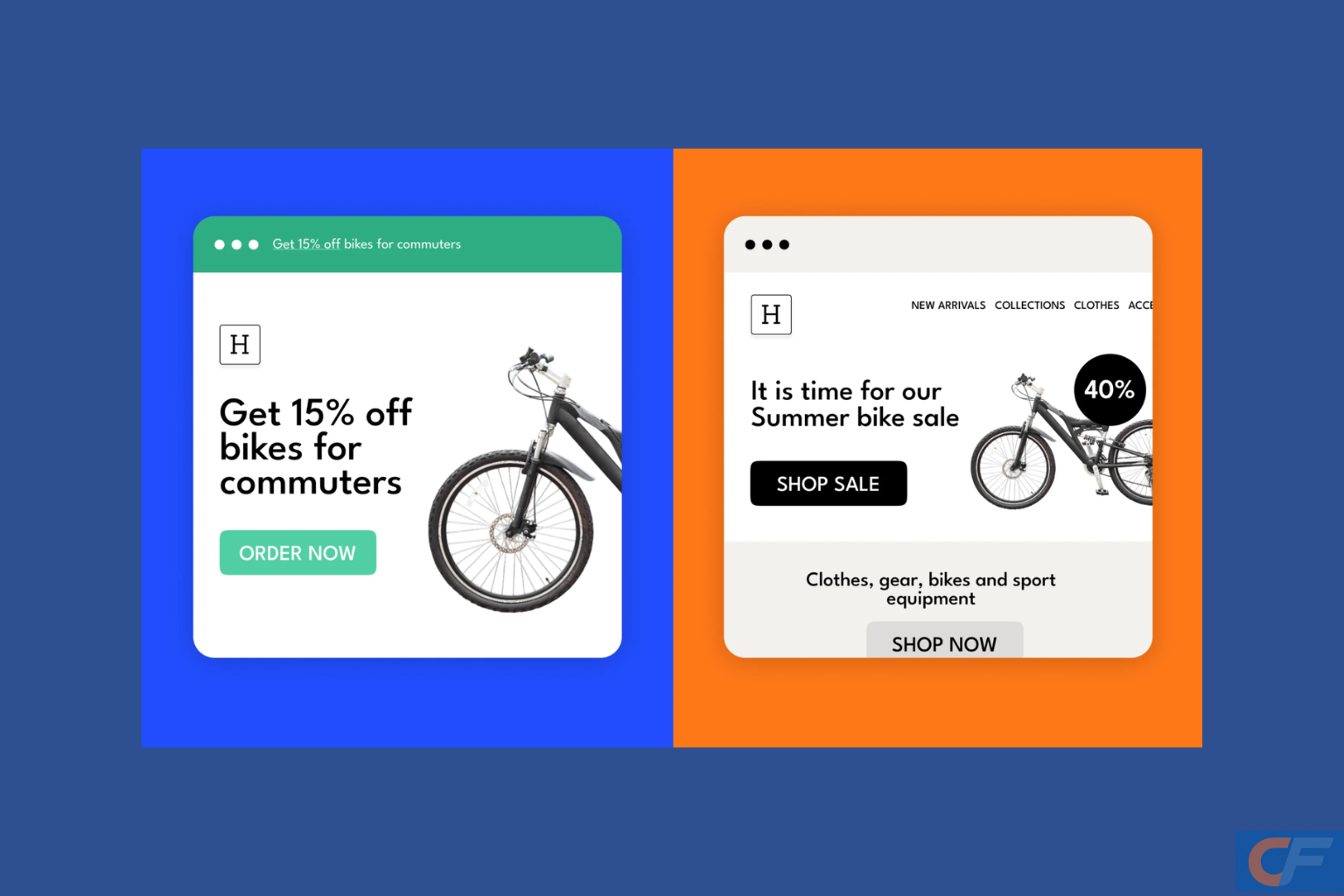
Here's how landing pages may fit into your marketing funnel:
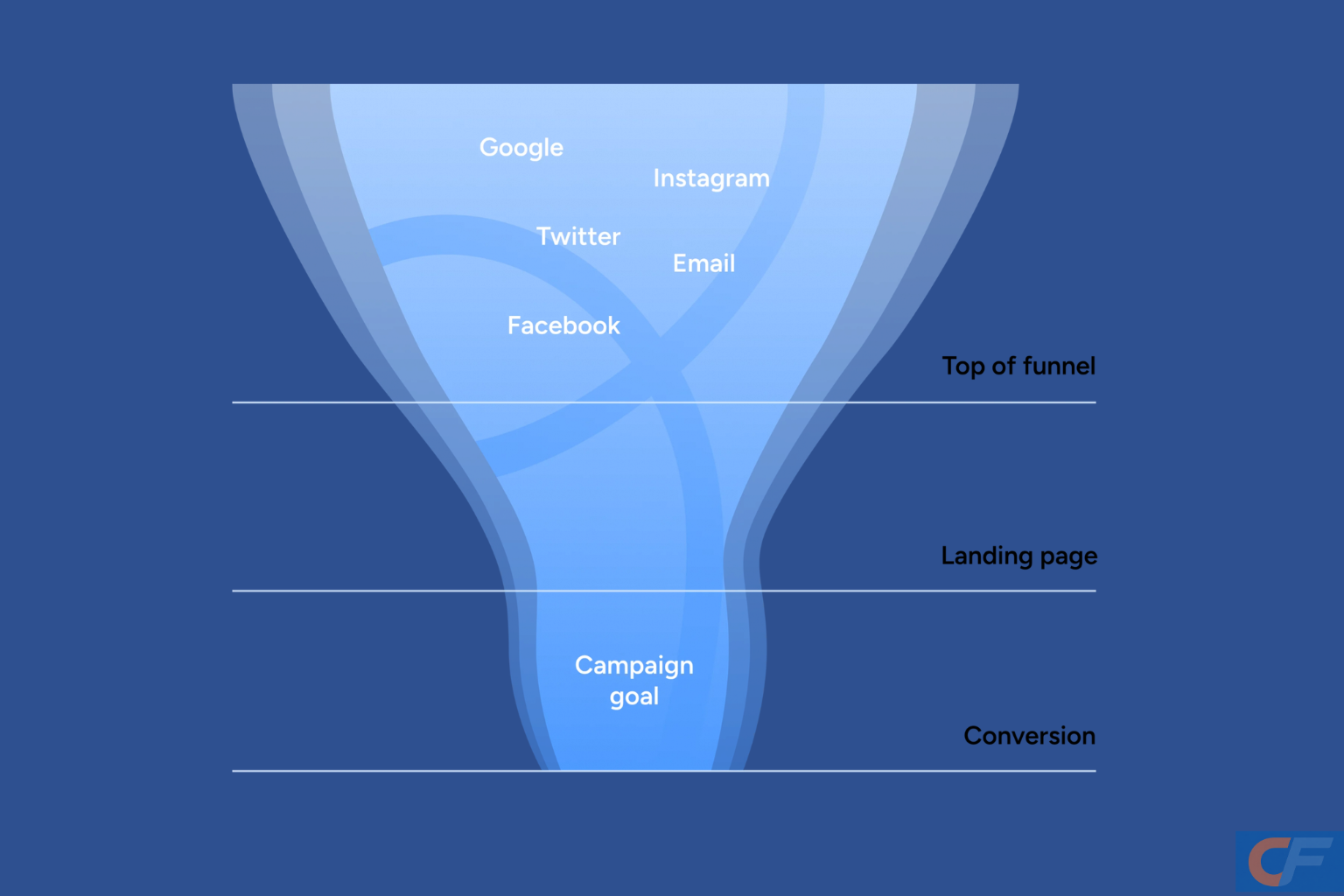
As you can see, the landing page is created when prospects at the top of the funnel click a link in an ad, email, or elsewhere on the web. It's where the conversion (such as a purchase, signup, or registration) will occur.
In this blog, we will examine the key benefits of landing pages and address common questions. By the conclusion of this page, we hope you enjoy landing pages as much as we do.
Landing Page vs. Website: What's the Difference?
Here's a homepage and a landing page side by side. See how the homepage contains several links, but the landing page just has one? That's quite usual.
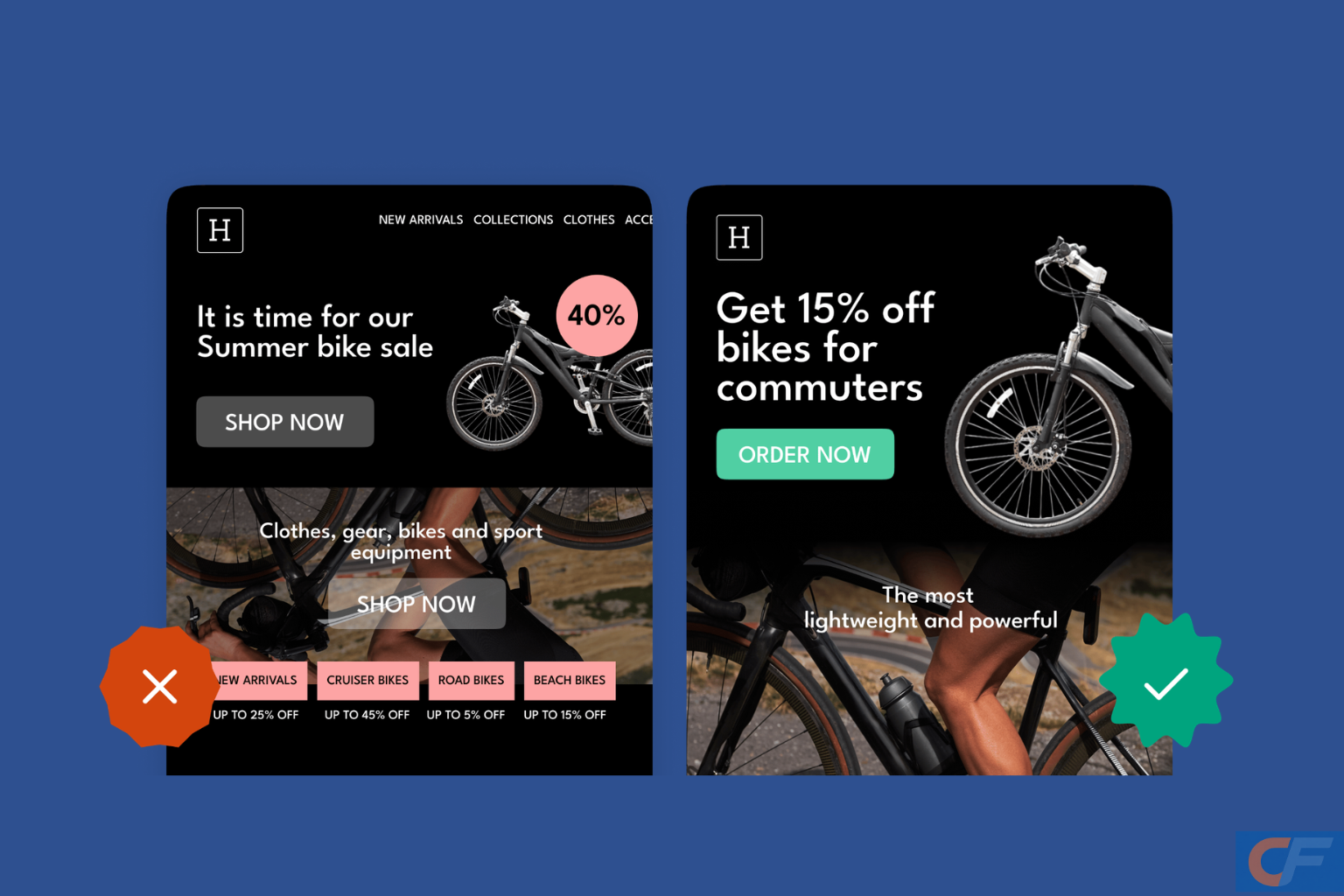
While the site has dozens of potential distractions—you could call them "leaks" rather than links—the landing page is quite focused. Having fewer links on your landing page boosts conversions since there are fewer mouthwatering clickables that divert users away from the call to action. That's why skilled marketers constantly direct their traffic to a specific landing page.
Sure, the homepage looks fantastic. It promotes the brand, allows consumers to explore a variety of items, and provides more information about the firm and its beliefs. A visitor may go anywhere from here, including applying for jobs, reading press releases, reviewing terms of service, posting on community boards, and so on.
However, they will not necessarily make a purchase. And that is the point.
The landing page for this consumer has an entirely different purpose. When combined with very attractive advertising that highlights a single deal, everything works hard to convert these visitors into clients. It is doing a better job of converting the traffic that the brand already receives. This is the power of landing pages!
What are the different types of landing pages?
Depending on the particulars of the business and whether you're looking for leads, signups, or sales, there will be a lot of diversity, but these are the primary page kinds you'll see:
- Lead generation landing pages
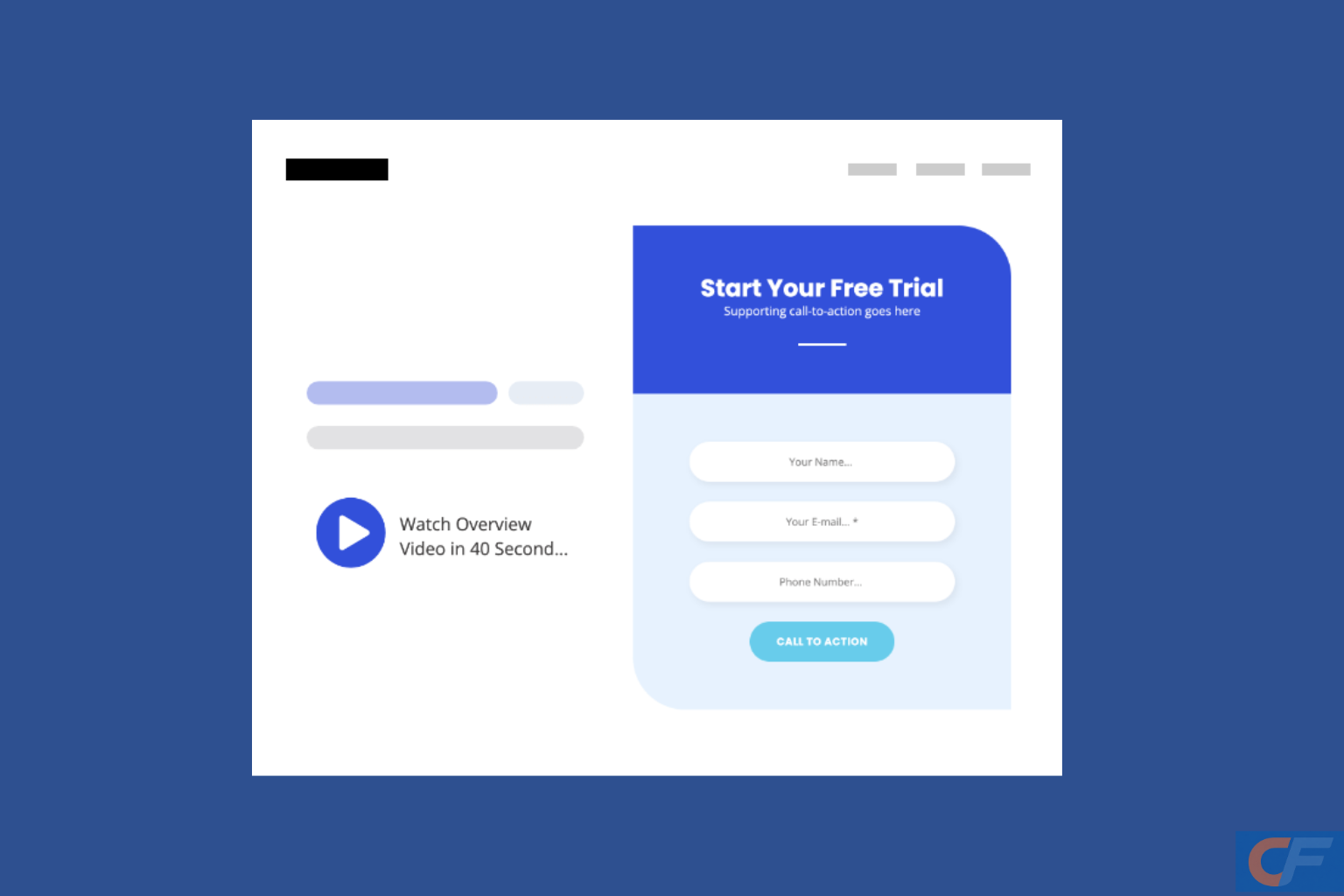
The most common type used by small businesses is the lead generation landing page — designed specifically to capture contact details in exchange for something of value. These employ a form as their call to action and are also known as "lead gen pages," "lead capture pages," or "squeeze pages." Lead data, such as visitor names and email addresses, is virtually always gathered using this form.
This kind of landing page is used by B2B marketers and businesses that offer expensive goods to compile a list of potential clients. In return for contact information, they occasionally give something free, such as an ebook or webinar. These sites may be used by e-commerce companies for list-building, free delivery, and exclusive offers.
Lead generation landing page examples include:
- Webinar landing page: You may host a free webinar on a subject that your clients are interested in learning more about (and utilize a landing page to gather registrations).
- E-book landing page: Prospects are frequently more than happy to provide their contact information if you are offering a useful educational resource (such as a study report or a how-to guide).
- Event landing page: Promote conferences and webinars by emphasizing the date, venue, and important information. A straightforward registration form and an obvious call to action are usually included.
- Click-through landing pages
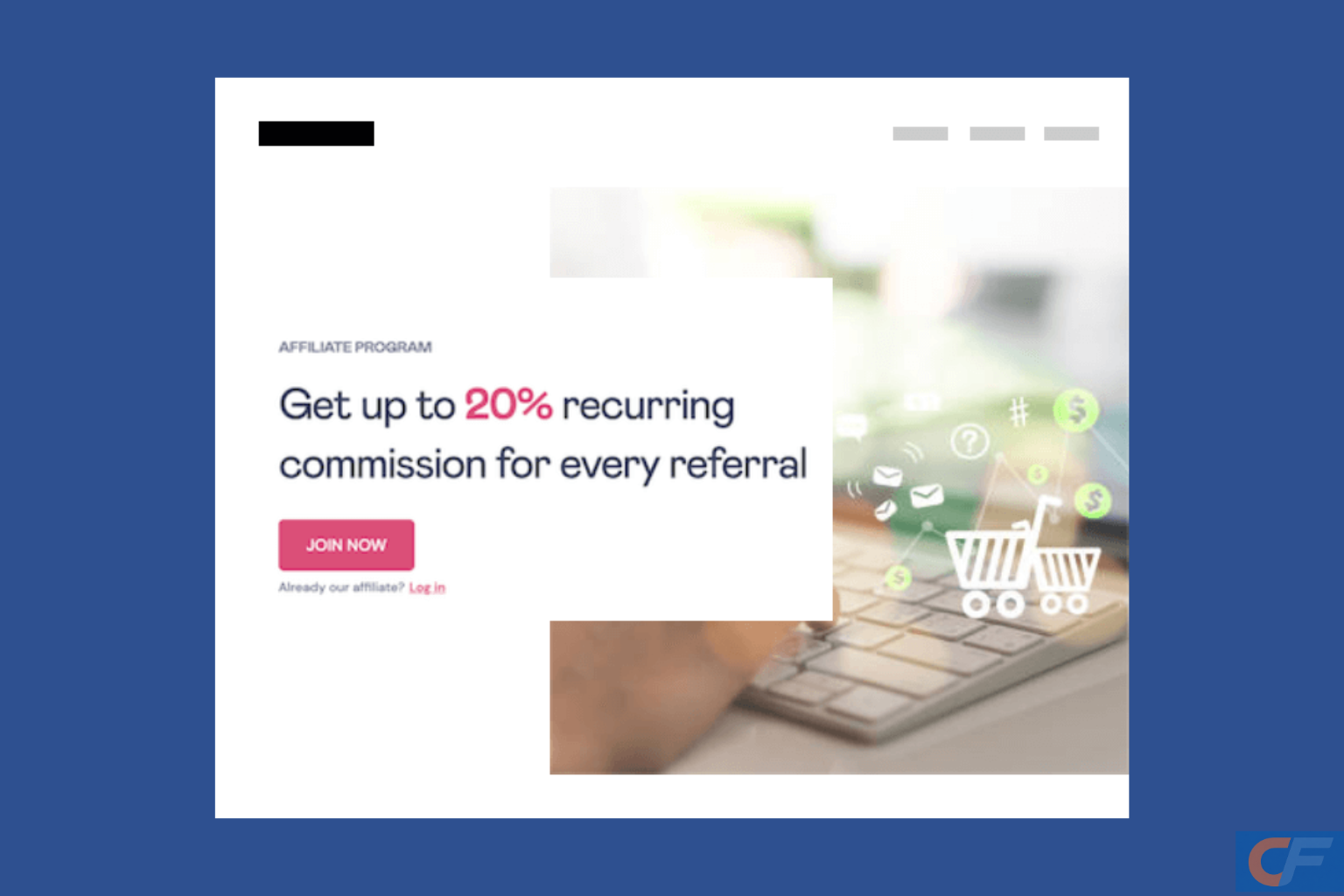
Clickthrough pages are often utilized for sales or subscriptions by SaaS (software-as-a-service) and e-commerce marketers. Typically, they contain a straightforward call-to-action button that either completes a purchase or directs the user to the checkout process (similar to the app store).
There are several types of clickthrough landing pages, such as:
- Sign-up landing page: Urge customers to join up for a free trial or membership with your service to start their trip.
- E-commerce landing page: You may encourage a customer to make a purchase by dedicating a whole page to showcasing the features, advantages, and pictures of your product.
- Sales landing page: The goal of sales landing pages is to persuade people to buy something by providing precise answers and emphasizing the main advantages.
- Sales landing pages
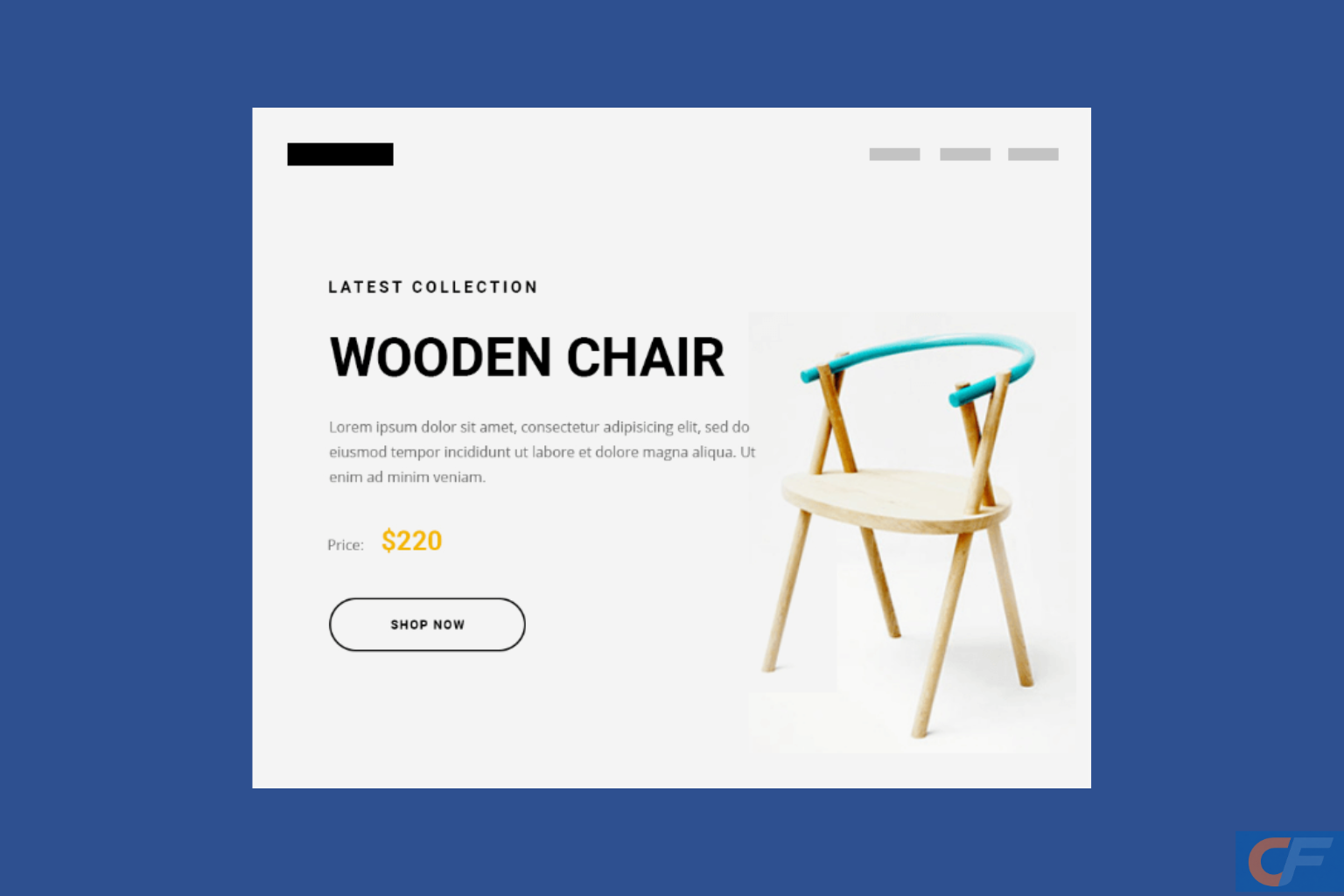
These landing pages are designed to decrease friction in the purchasing process by presenting compelling information about a product or service as well as a clear call to action to buy.
- Event landing pages
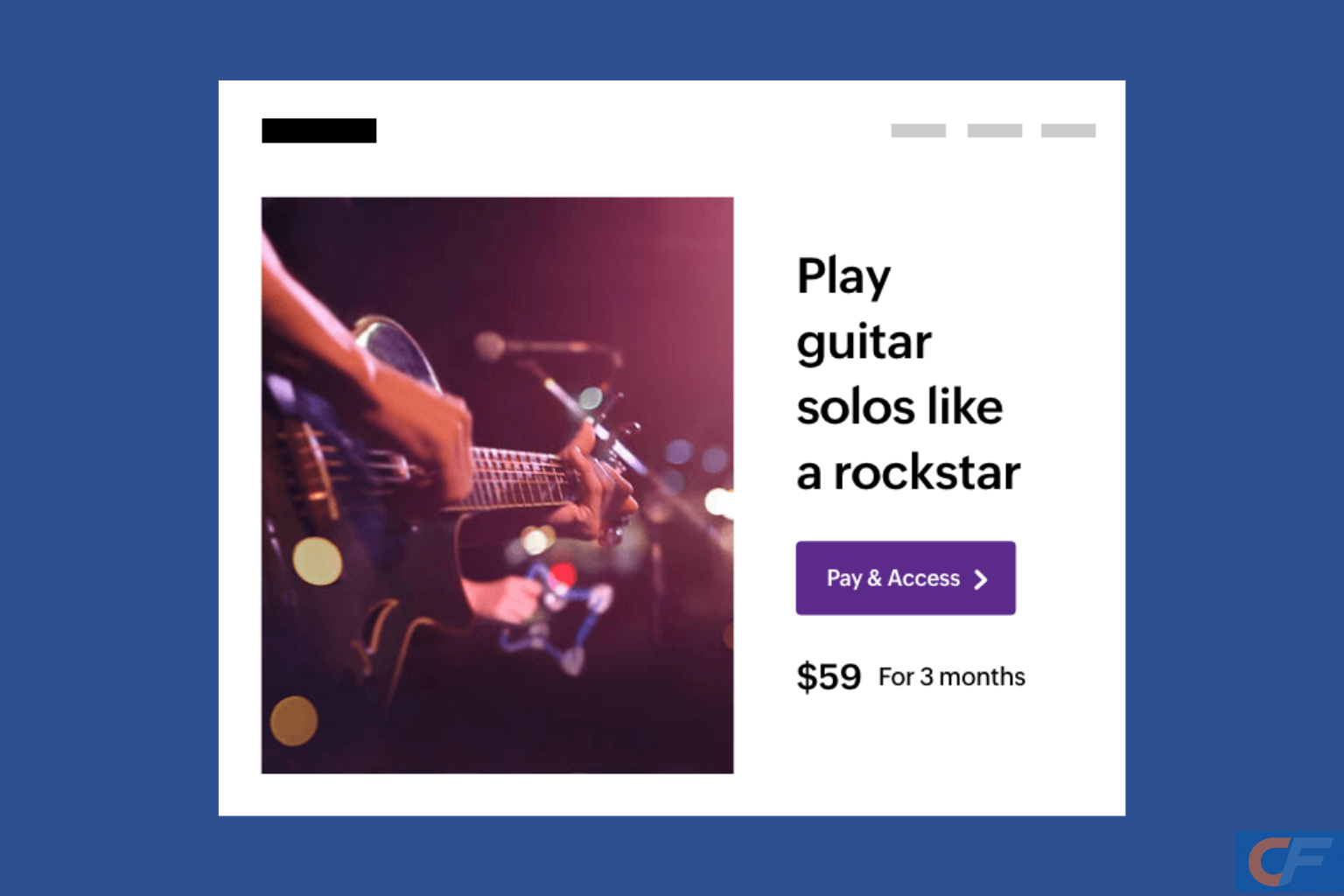
Event landing pages, which are used to promote and collect registrations for events, webinars, and conferences, are critical tools for event marketing and organization.
- Coming soon, landing pages
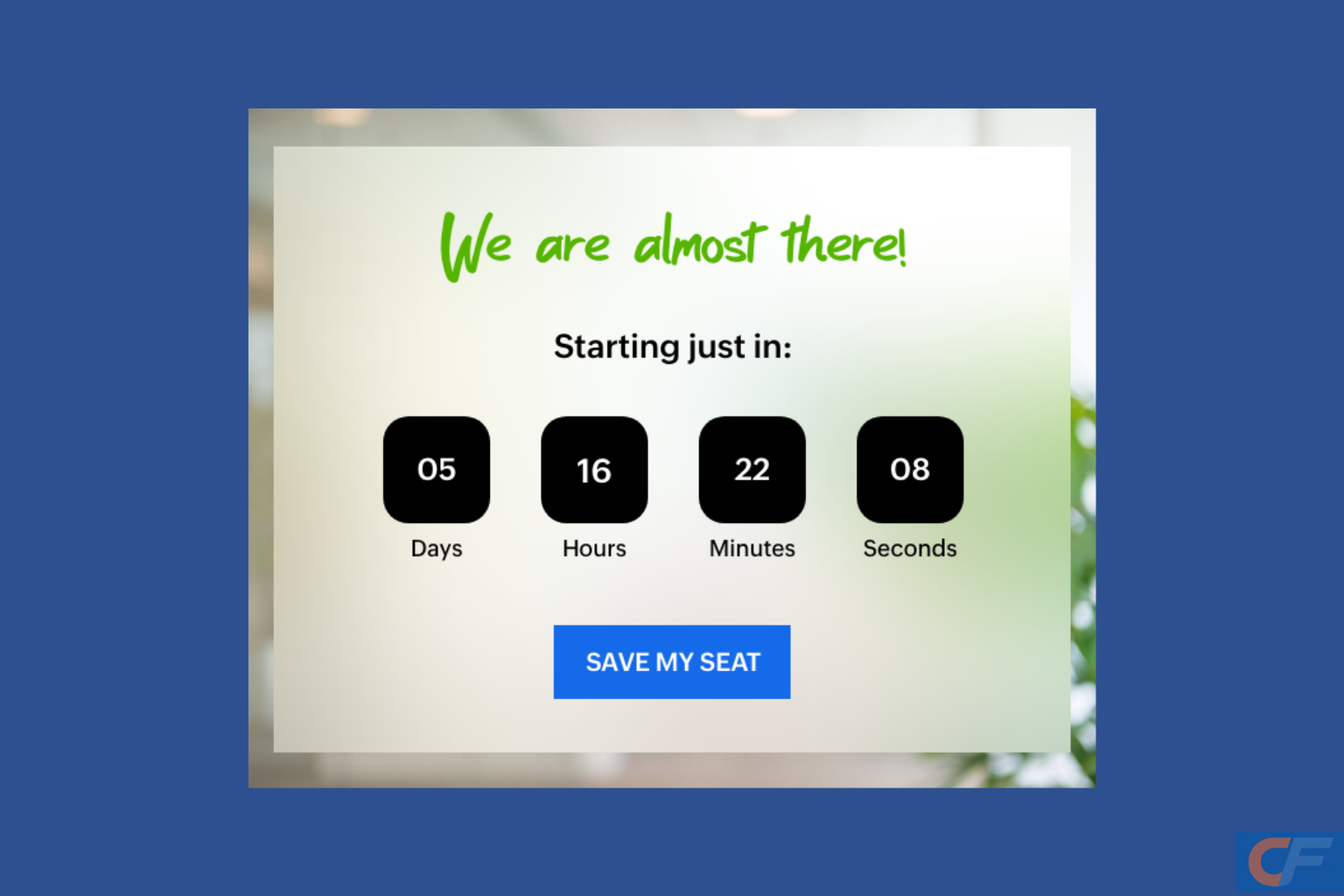
Used to generate enthusiasm and early engagement with potential clients before the formal launch of the product/service.
What makes a high-converting landing page?
“High-converting landing pages focus on a single action and remove all distractions.”
It requires concentration and planning to create landing pages that convert. You must take your audience's demands, messaging, and design into account to generate leads and encourage action.
Start with landing page templates:
In addition to saving time, landing page templates offer a tried-and-true structure for landing pages with good conversion rates. With best practices in mind, these templates assist you in creating a landing page that is both aesthetically pleasing and effective. Instead of beginning from scratch, you may concentrate on customizing the content to your objectives, such as generating leads or making sales, by starting with a specific landing page template.
Use a landing page builder
A landing page builder removes the need for coding or design expertise entirely. You can make landing pages if you know how to drag and drop.
You can easily develop and optimize landing pages that support your objectives by using a landing page builder like CliqForms.
Keep your target audience in mind
Always keep your target audience in mind while designing landing pages.
To create a message that appeals to them, take into account their requirements, preferences, and problems. Your landing page will be powerful and more likely to produce results if your offer and design are in line with what your audience genuinely cares about.
Connect your landing page to a marketing campaign
Your marketing efforts and landing page must have a solid relationship. Align your messaging and calls to action with the advertisements, emails, or other traffic sources that are bringing people to the website. Visitors to landing pages are usually more likely to convert as a result of this consistency.
What are the landing page examples?
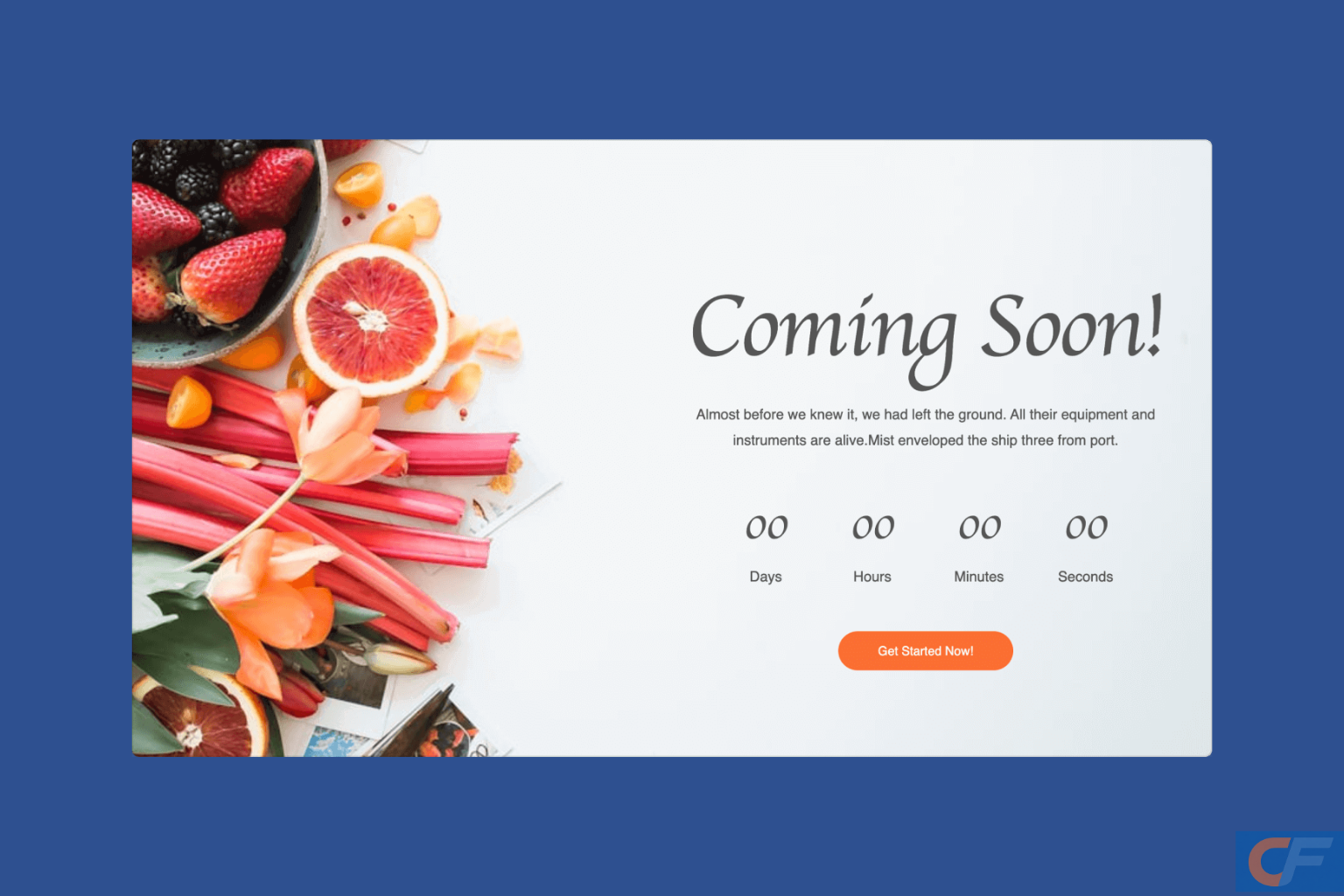
By emphasizing alluring limited-time deals and stringent deadlines that compel prospective clients to act right away, you may create urgency and increase conversions.
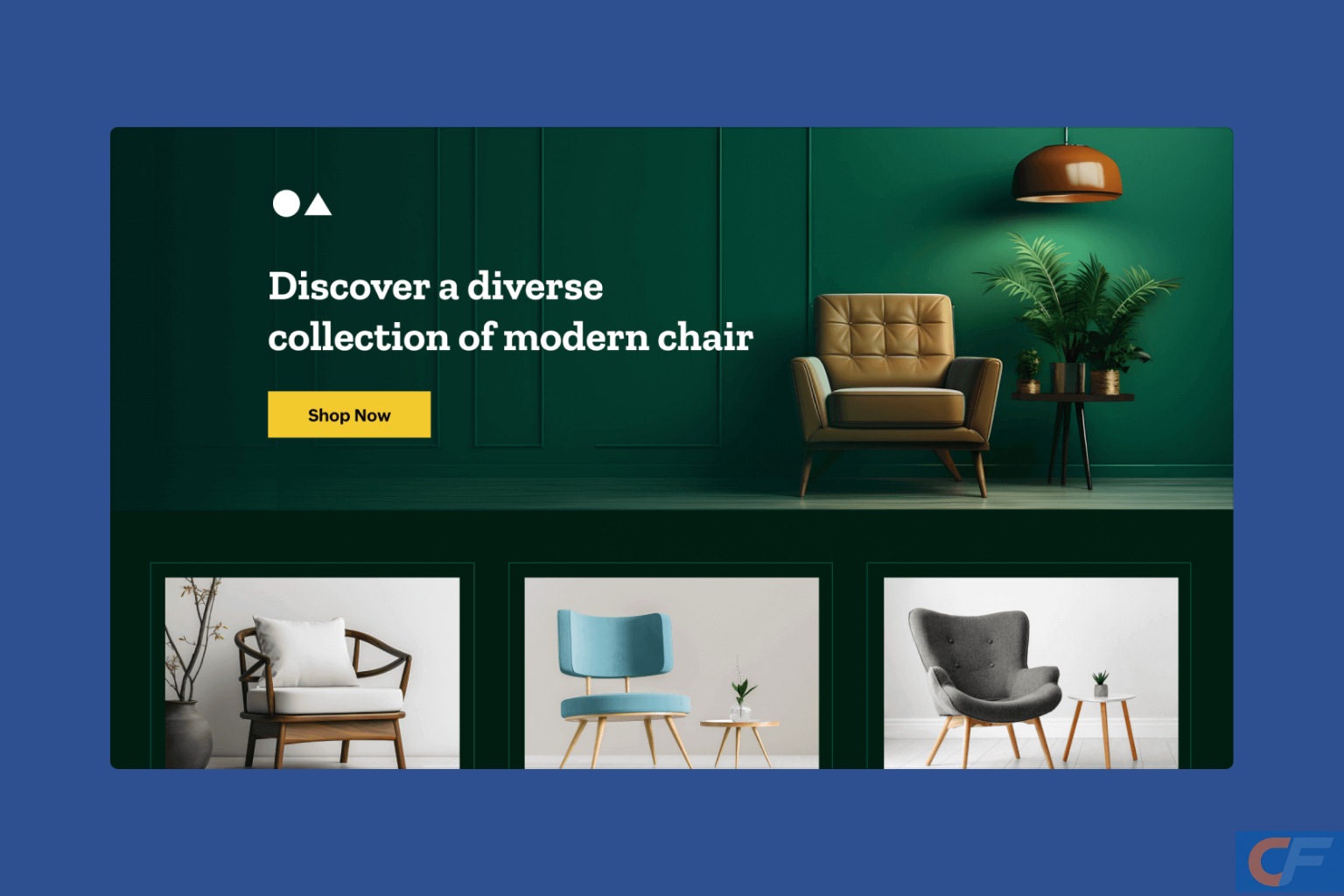
With conversion-optimized e-commerce landing pages, you can attract more consumers, increase revenues dramatically, and provide a seamless buying experience.
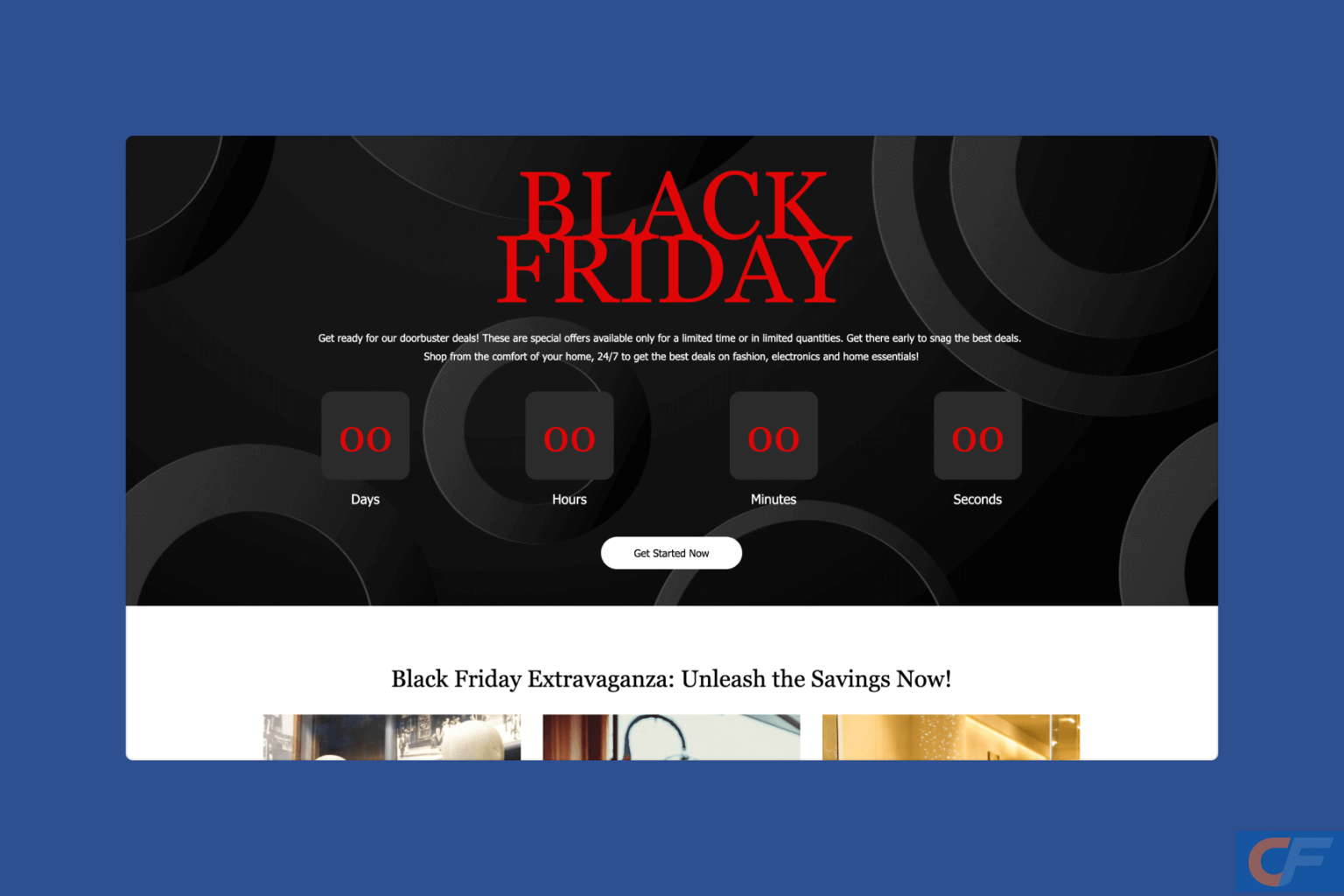
Eye-catching Black Friday-themed landing pages that drive high interaction are an efficient way to promote limited-time specials, featured goods, and compelling holiday discounts.
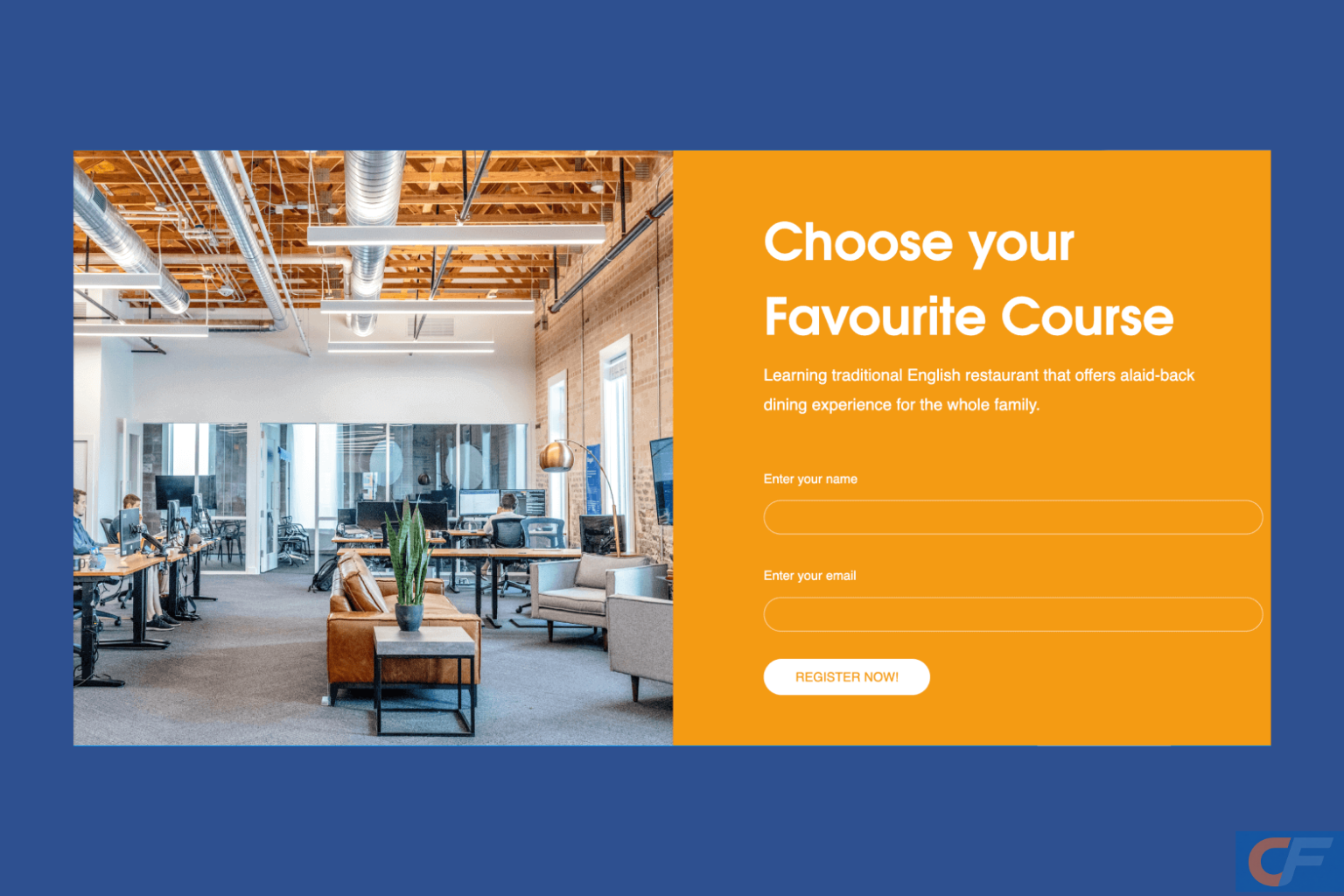
Increase subscriptions and enrollments with enticing offers, clear advantages, and user-friendly sign-up forms that make the registration process easier for everyone involved.
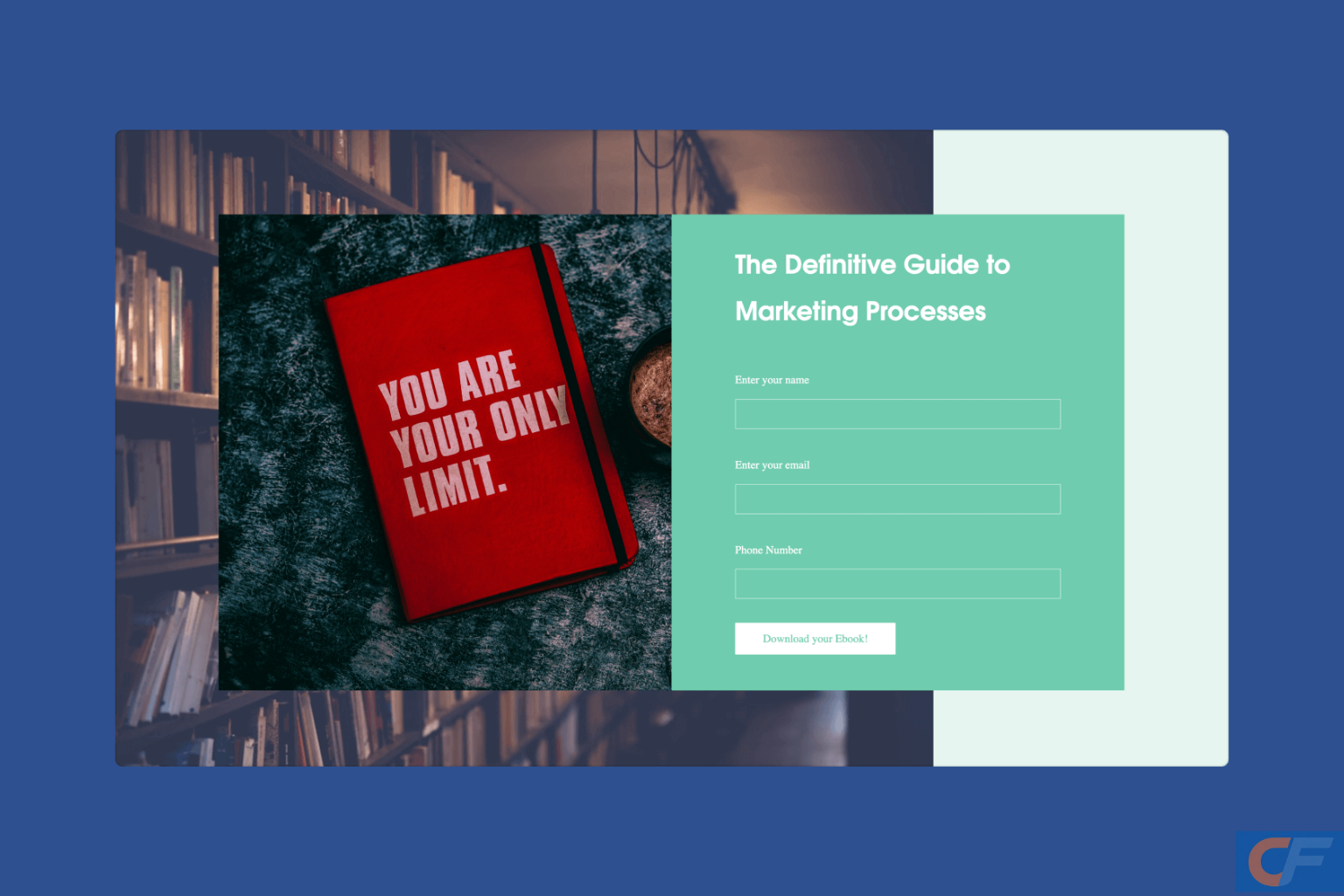
Grow your email list successfully by providing great freebies, unique material, or compelling discounts in return for contact information from prospective consumers.
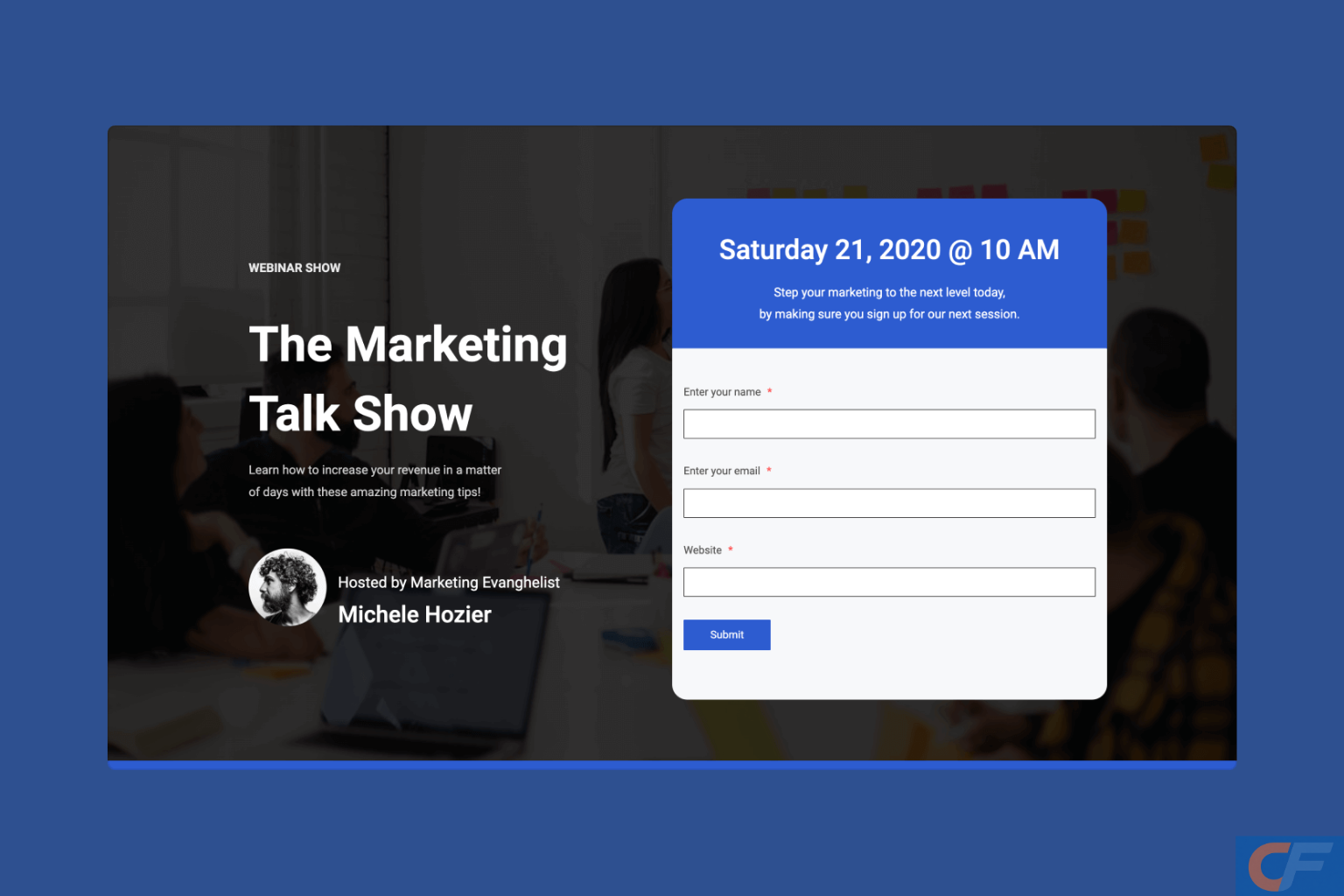
Increase event registrations dramatically by providing special material, early access, or useful incentives in return for contact information from prospective attendees.
How to Build a Landing Page Without Coding—and How Cliqforms Makes It Easy
“The most effective landing pages combine strong messaging with smart form design.”
Before no-code landing page builders existed, creating a landing page meant hiring a developer. Not anymore.
Today, no-code tools have completely changed the game. Anyone — regardless of technical background — can create a high-performing landing page in minutes. The key is choosing the right platform.
Here's what a no-code landing page builder should give you:
- A visual, intuitive interface where you design by clicking and arranging — not writing code
- Smart form integrations that connect your leads directly to your CRM, email tools, or workflows
- Built-in analytics so you know exactly how your page is performing
This is exactly where CliqForms shines.
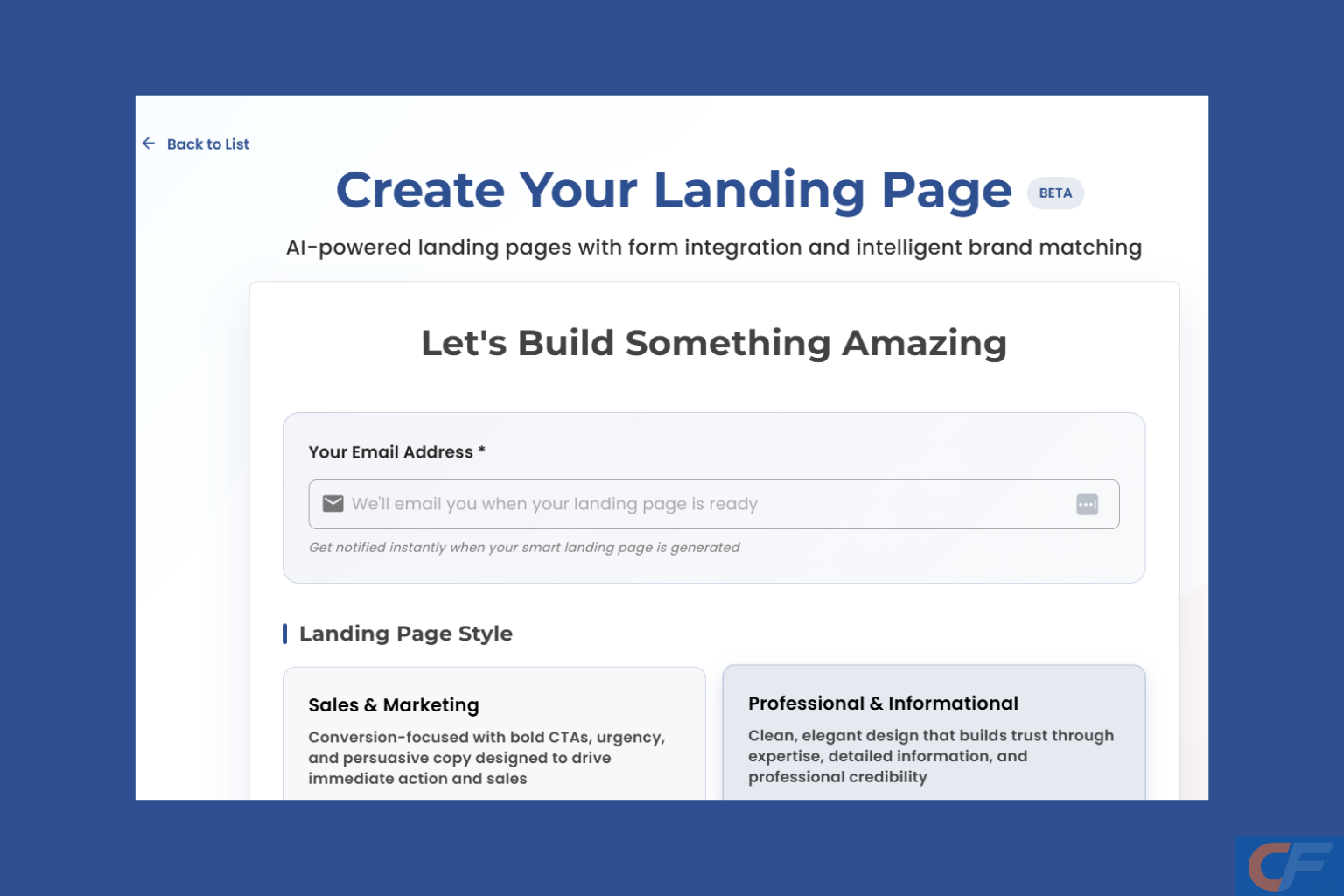
- Getting started is as simple as filling in a few details. Tell Cliqforms your company name, target market, and what your business does. Choose your landing page style — whether that's Sales & Marketing for bold, conversion-driven copy or Professional & Informational for a clean, trust-building design. The AI takes it from there.
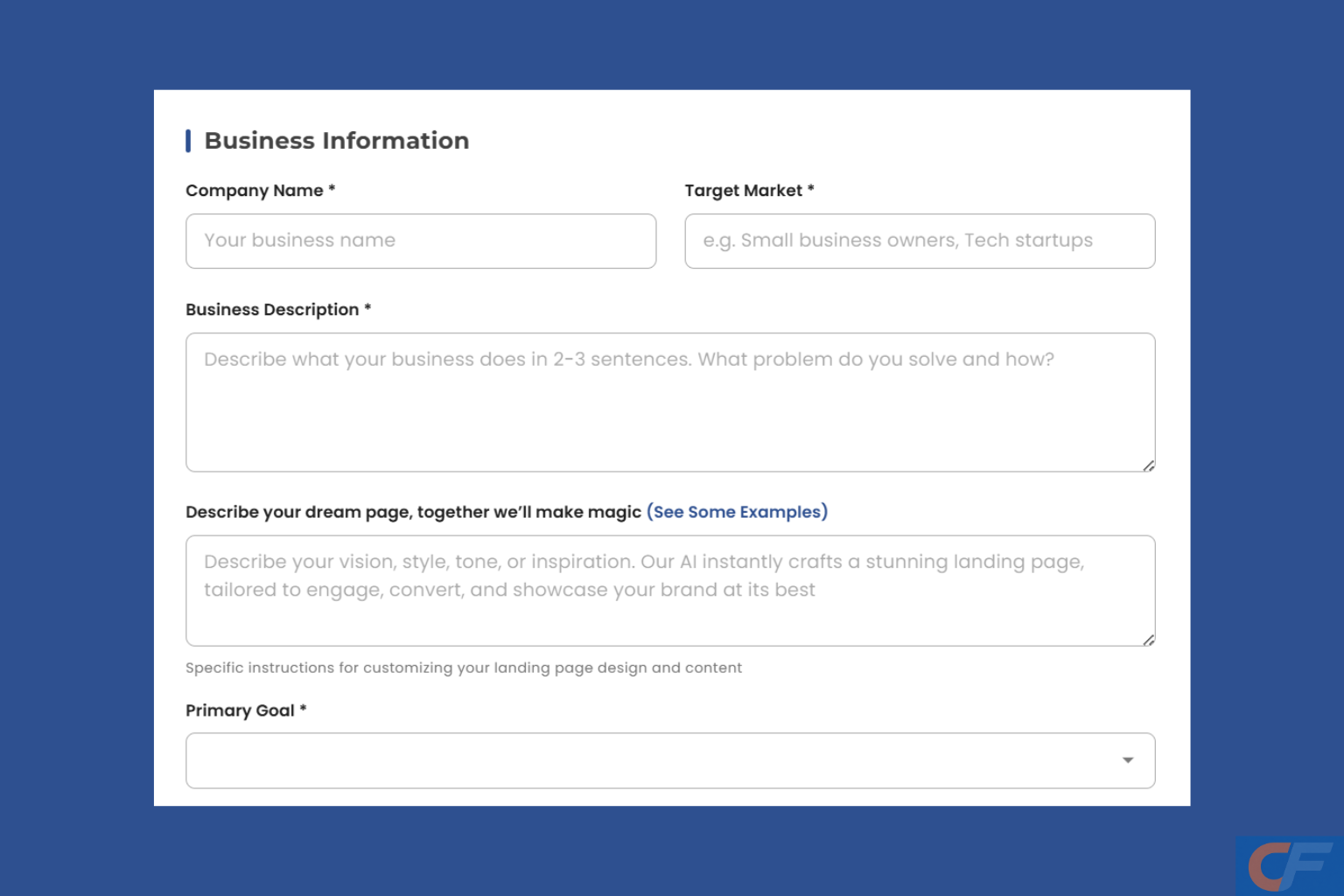
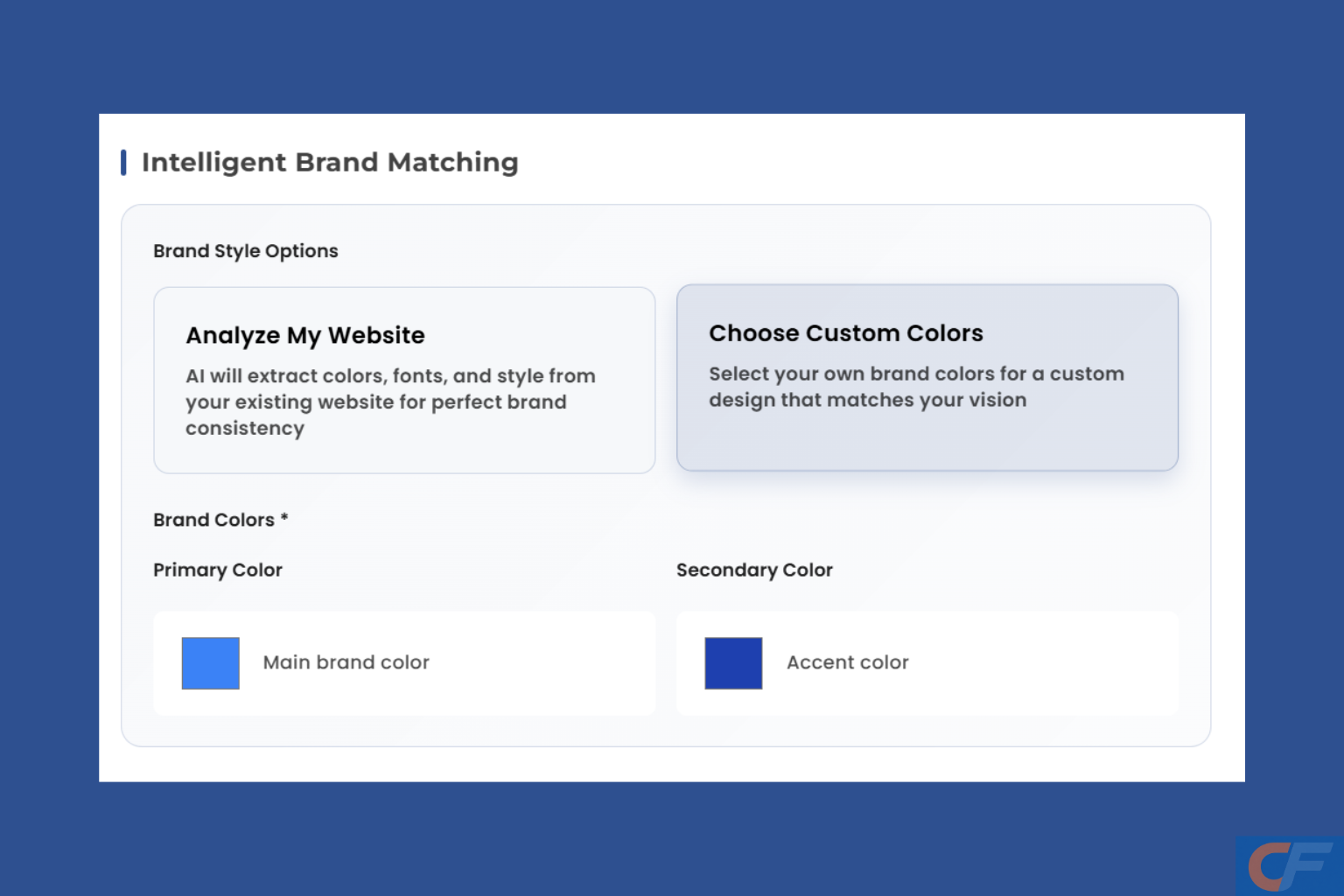
- Your brand, automatically matched.
You don't need to manually pick fonts, colours or layouts. Cliqforms offers two powerful options — let the AI analyse your existing website and extract your brand colours and style automatically, or choose your own custom primary and secondary colours to ensure every page feels on-brand from the first pixel.
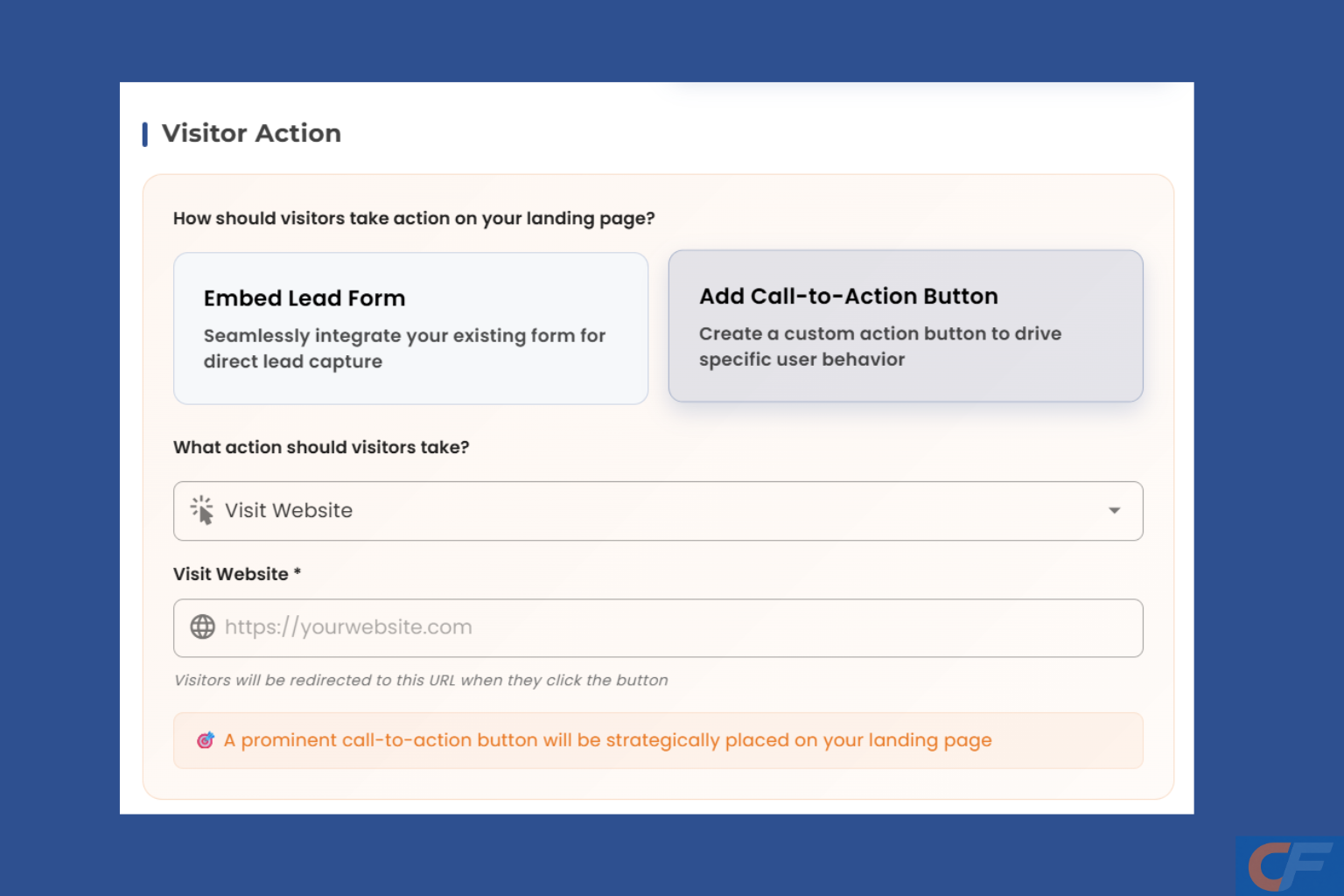
- Choose how visitors take action.
Every landing page needs one clear job. With Cliqforms you decide exactly what that is — embed your existing lead capture form directly into the page for seamless lead generation, or add a custom call-to-action button that drives visitors to book, sign up, buy, or visit your website.
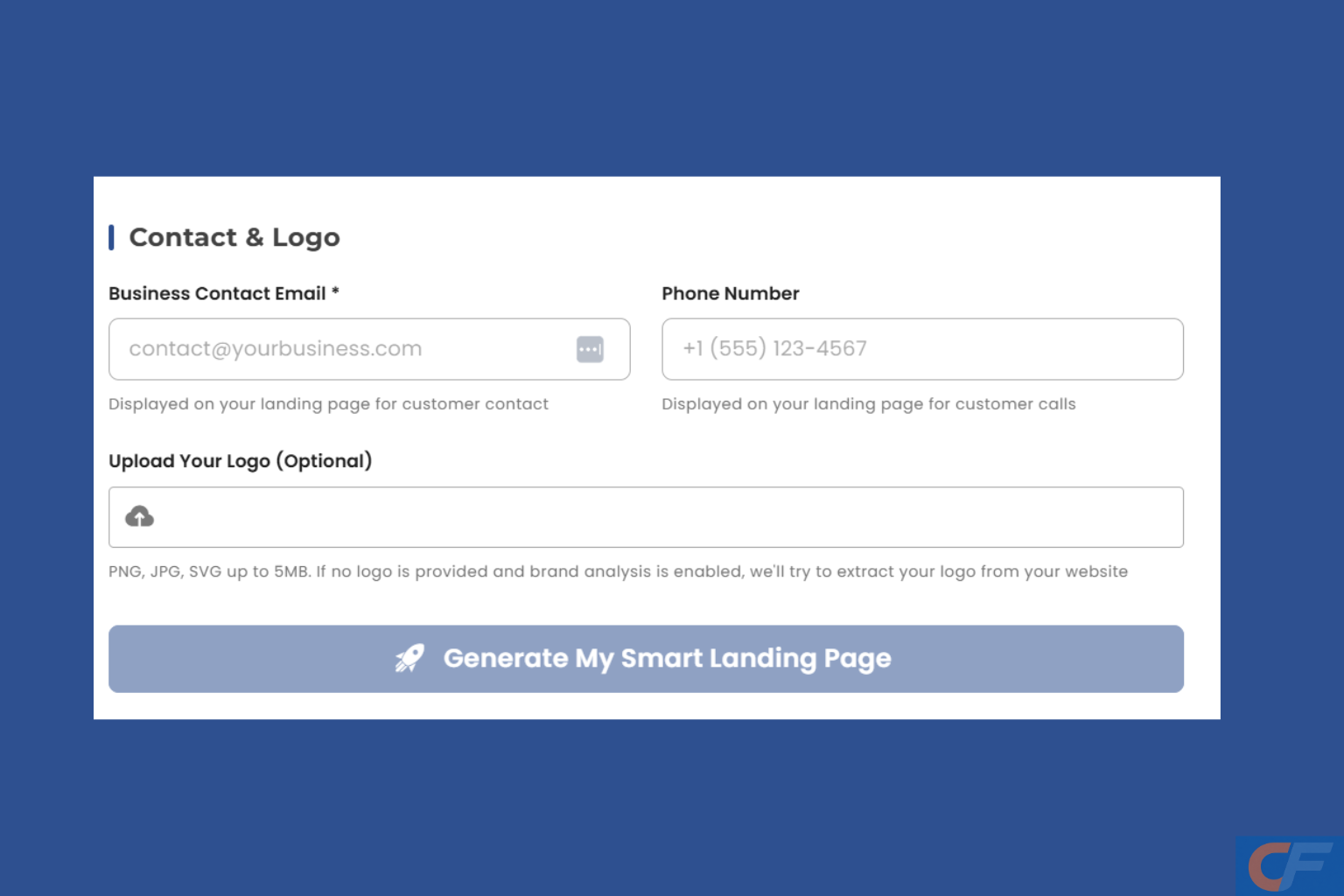
- Finally, add your contact email, phone number, and logo—and hit Generate My Smart Landing Page.
With Cliqforms' landing page builder, you place elements exactly where you want them — no guesswork, no code. Its seamless form integrations ensure every lead captured flows straight into your existing tools without manual effort. And with built-in analytics and tracking, you get real-time visibility into traffic, conversions, and user behaviour — so you can make smarter decisions faster.
The result? A professional, high-converting landing page that you built entirely on your own.
No developers. No code. No compromise.
👉 Try Cliqforms Landing Page Builder Free
“Modern landing pages often use smart forms with conditional logic to improve conversions and reduce drop-offs.”
Key Takeaways
- A landing page is built for conversion
- It focuses on a single goal
- It is essential for lead generation
- Smart design improves performance
FAQs
You have questions, and we have solutions to help you get every drop of value out of your landing pages and achieve your objectives.
1. What should a landing page include?
A landing page should include a title, captivating content, eye-catching imagery, a persuasive call-to-action (CTA), lead capture forms, and social proof features like testimonials or trust badges.
2. Can I have a landing page without a website?
Yup! You may establish a landing page with a specific objective (such as selling a product or generating leads), then direct all of your advertising and social media postings to it and let it do the work.
Creating one-time landing pages is very effective for short-term initiatives, when the landing page only has to live for a limited period. Alternatively, you might use it to test new company or product concepts. The options are infinite.
3. How many landing pages should a website have?
It depends. Here are several aspects that may influence how many landing pages you want to create:
- Audience targeting
If you can segment your audience, consider developing individual landing pages for each segment. You'll be able to improve the experience for each phase and increase your chances of converting.
- Number of campaigns
It is typically advisable to have at least one dedicated landing page for each marketing campaign. In that way, the landing page can be tailored to the campaign's exact goal, look, and tone.
- Different types of products and services
If you have a variety of products or services, you may develop unique landing pages for each one. This allows you to showcase the distinct advantages of each specific item you sell, giving it a chance to shine.
- Testing and optimization
When optimizing your campaigns (via A/B testing or an AI optimization tool), having many landing page variations is critical for evaluating and enhancing the overall experience. You may test various parts on your sites to determine which ones perform best and are most successful at raising conversion rates.
- In general, more is better
Having extra landing pages on your website might provide substantial benefits. According to one study, increasing the number of landing pages from 10 to 15 increased lead generation by 55%, with even bigger gains seen on sites with 40 or more landing pages.
Another advantage of having more landing sites is better SEO. More pages for the search engine to index and display on SERPs increases the likelihood of users finding your site.
4. Does a landing page replace a website?
No, a landing page does not replace a website. While landing pages can help you achieve your marketing conversion objectives, websites are also required to give detailed information about your company, products, and services.
What is the best landing page builder?
Simply said, the best landing page builder is the one that best meets your needs, which you can only identify since you know your business better than anyone else.
Nonetheless, Cliqforms' landing page builder has some really neat features and benefits—and it compares favorably to competitors - best of all, it's included in all our plans!
When looking for builders, bear in mind that you'll most likely want tools that not only help you create landing pages but also allow you to test and improve them for better results.




.png)