


It’s not the QR code that matters—it’s what happens next
This is Part 2 of a 3-part series. Read Part 1 and Part 3
Introduction
So you’ve added a QR code to your business. Great start.
But here’s the uncomfortable truth:
Most QR codes don’t convert.
Not because QR codes don’t work, but because what they link to doesn’t.
If a customer scans your code and lands on a slow, confusing, or irrelevant page, they’ll leave in seconds. No second chances.
In this post, you’ll learn how to turn a simple scan into a meaningful action—whether that’s feedback, a booking, or a new lead.
The Biggest Mistake Businesses Make
Let’s call it out:
Sending users to a generic homepage
When someone scans your QR code, they’re expecting something specific and immediate.
Instead, many businesses send them to:
A cluttered website
A page not designed for mobile
Or worse… a dead link
Result?
Drop-off. Instantly.
Think “One Scan, One Action."
High-performing QR experiences follow one simple rule:
👉 One QR code = One clear purpose
Examples:
“Leave feedback."
“Book now."
“Get 10% off."
“Join our list”
If your QR code tries to do everything, it ends up doing nothing.
What a High-Converting QR Journey Looks Like

Let’s break it down:
1. Clear Trigger
Your customer sees a reason to scan
(“Get a free coffee” is a lot stronger than “Scan me.")
2. Instant Load
The page opens quickly on mobile
3. Simple Interaction
No friction. No overthinking.
4. Immediate Outcome
They get something (confirmation, a reward, or a response)
Why Forms Are the Secret Weapon
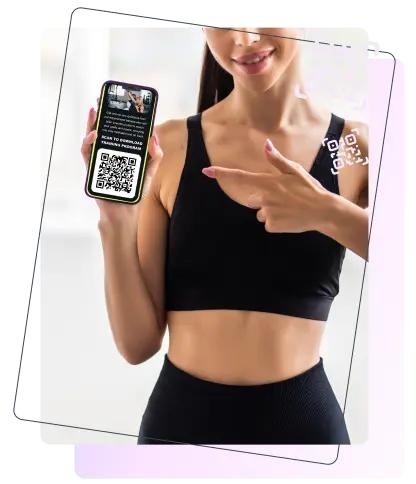
This is where most businesses unlock real value.
Instead of sending users to a full website, you send them to a focused, mobile-friendly form.
Using a tool like CliqForms, you can create forms that are
Designed specifically for smartphones
Fast to load
Easy to complete in seconds
Tailored to a single purpose
What Makes a Form Convert (And What Kills It)
What Works
3–5 simple fields
Clear headline (“Tell us how we did”)
Tap-friendly buttons
Progress indicators (if longer)
What Doesn’t
Long, complicated forms
Asking for unnecessary info
Poor mobile layout
No clear benefit to the user
Real-World Example
Let’s say you run a café.
Bad experience:
QR code → homepage → menu → contact page → maybe feedback
Good experience:
QR code → 3-question feedback form → instant reward
Which one gets completed?
The Power of Context
Where your QR code lives matters just as much as what it links to.
On a receipt → feedback form
On a van → booking request
On packaging → review or reorder form
When the experience matches the moment, conversions increase dramatically.
What’s Next?
Now you know how to design a QR experience that actually works.
In Part 3, we’ll explore the following:
How to track, measure, and optimise your QR code performance over time
Conclusion
A QR code is just the entry point.
The real value comes from what happens after the scan.
When you guide customers into a simple, mobile-first experience—like a focused form—you remove friction and increase action.
And that’s where growth happens.
Call to Action
Want to create QR experiences that actually convert?
Start building fast, mobile-friendly forms with CliqForms.
Try CliqForms for free and turn every scan into an opportunity.




.png)